
Overview
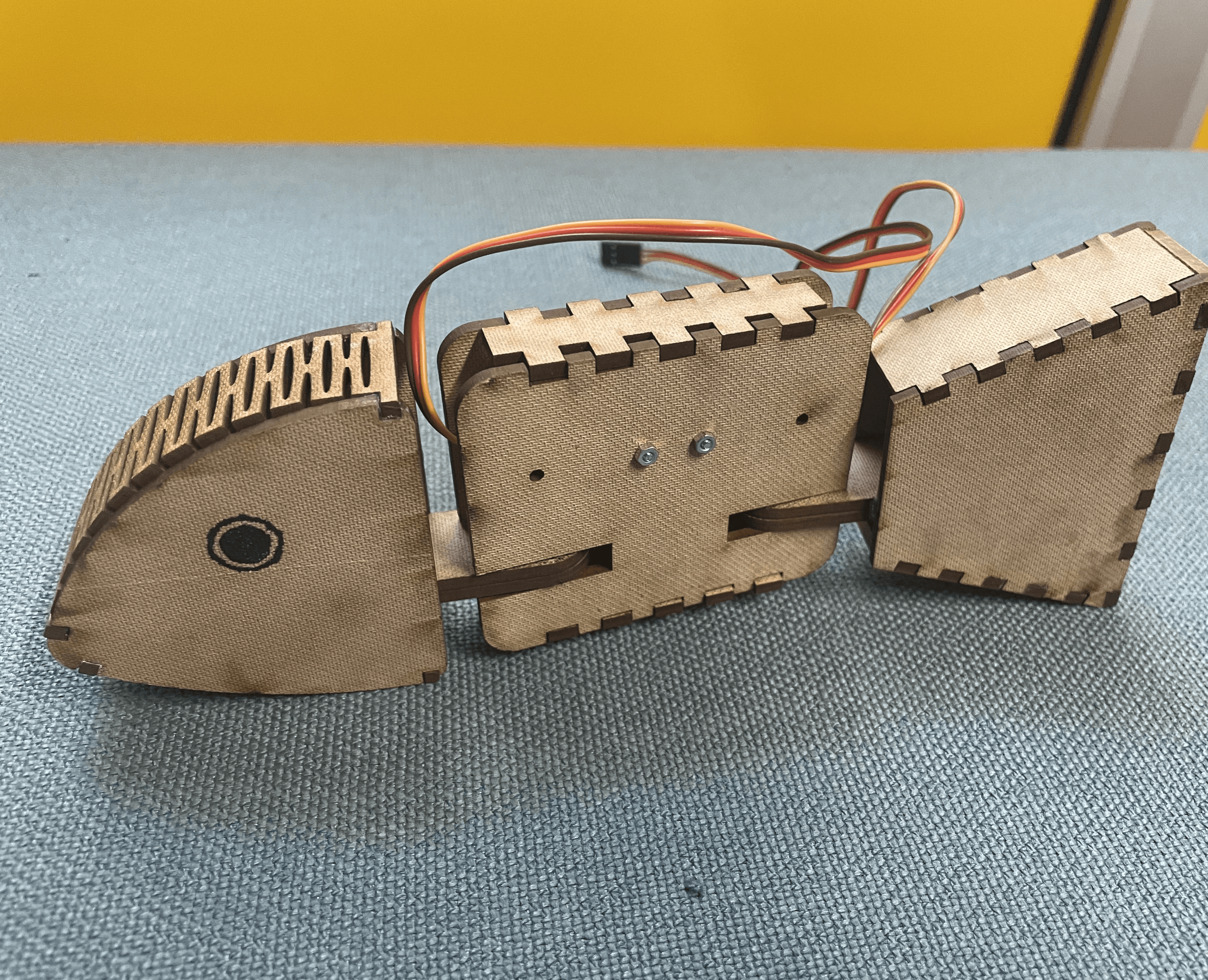
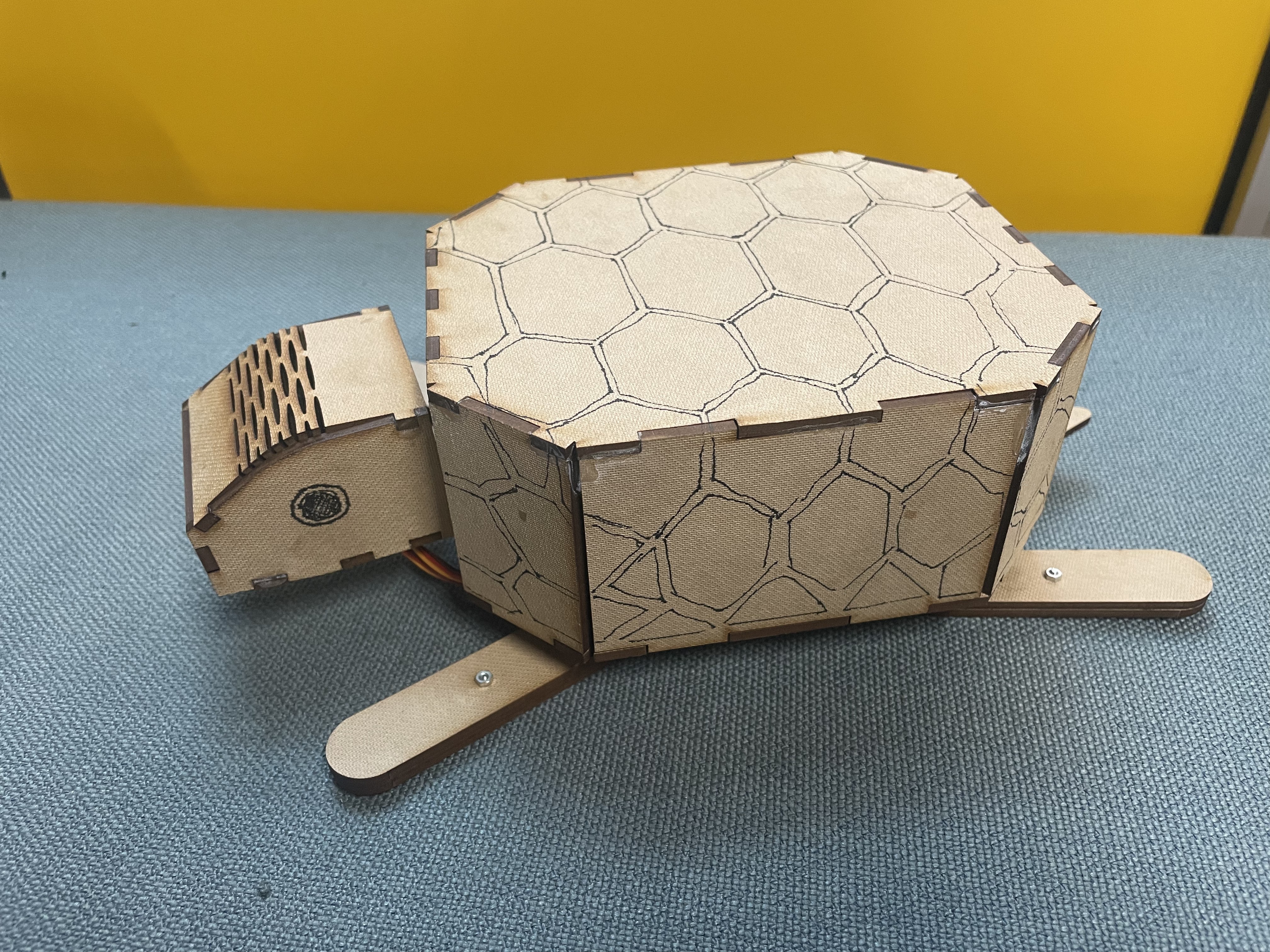
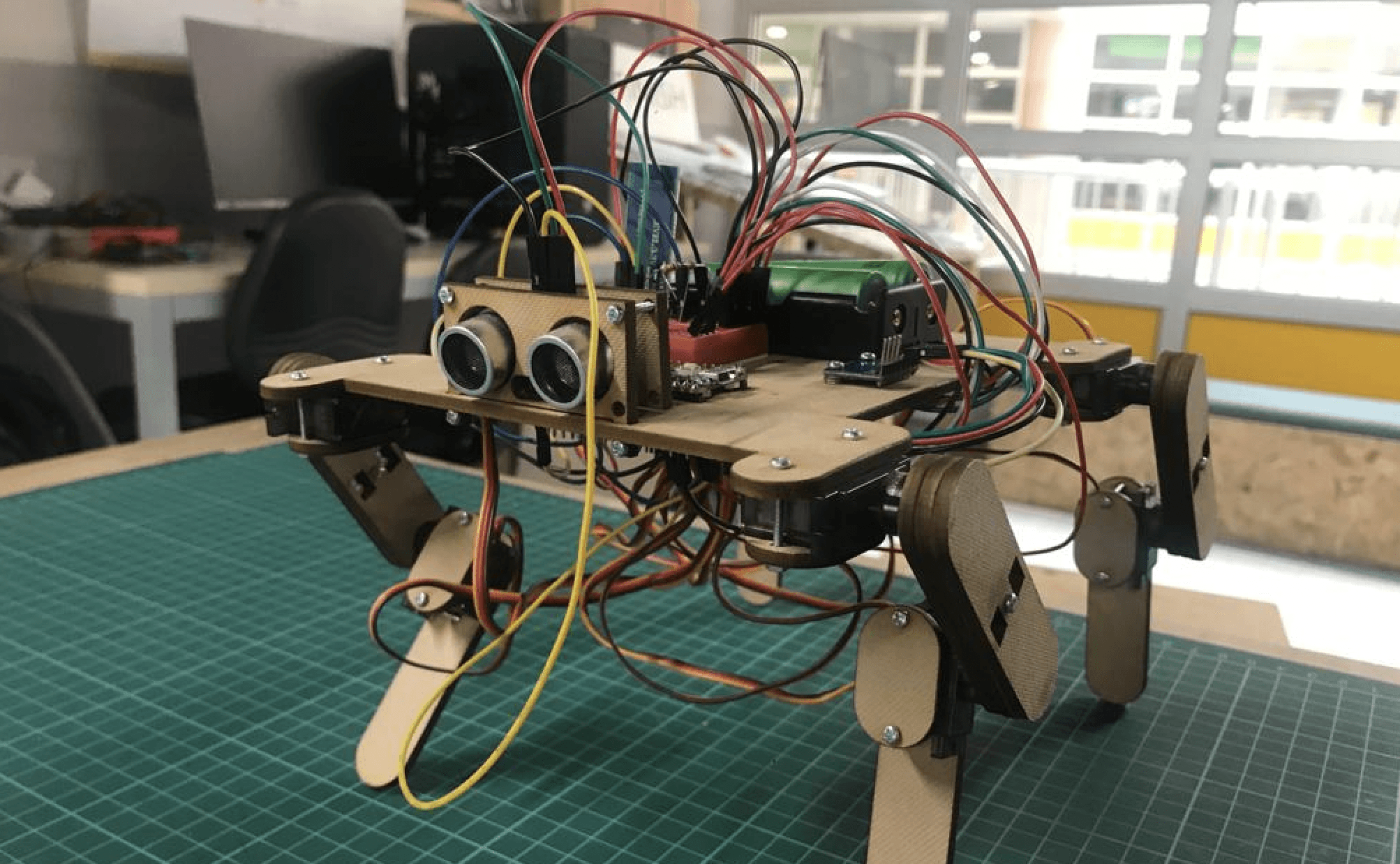
Lemon is an educational kit designed to introduce users to modeling, mechanics, electronics, and programming through hands-on learning. The kit empowers users to build and program bio-inspired robots at three levels of complexity: Lime (fish), Satsuma (turtle), and Lemon (dog). By progressing through these stages, users develop computational and design thinking skills while gaining practical experience in prototyping.
Problem and Approach
Using affordable materials like Raspberry Pi Picos and servo motors, Lemon addresses the lack of standardized prototyping education by offering a hands-on approach through progressively complex bio-inspired robots. Gamified features inspire students to design their own pet robots, applying new skills creatively. Supported by an online platform with guides and customization tools, Lemon makes prototyping accessible and engaging for schools, maker spaces, and STEAM education programs.
Design Choices
The Lemon Kit is designed with accessibility and skill progression in mind. It uses affordable, widely available components such as Raspberry Pi Pico microcontrollers, MG90S servo motors, and PCA9685 servo driver boards. These components are selected for their simplicity and compatibility, making them ideal for introducing users to prototyping concepts. The kit’s stepwise progression through Lime (fish robot), Satsuma (turtle robot), and Lemon (dog robot) gradually introduces more advanced topics like servo integration, breadboards, ultrasonic sensors, and inverse kinematics. This structured approach ensures users build a strong foundation in assembly, electronics, and coding while encouraging customization and creativity through open-source resources and modification options.